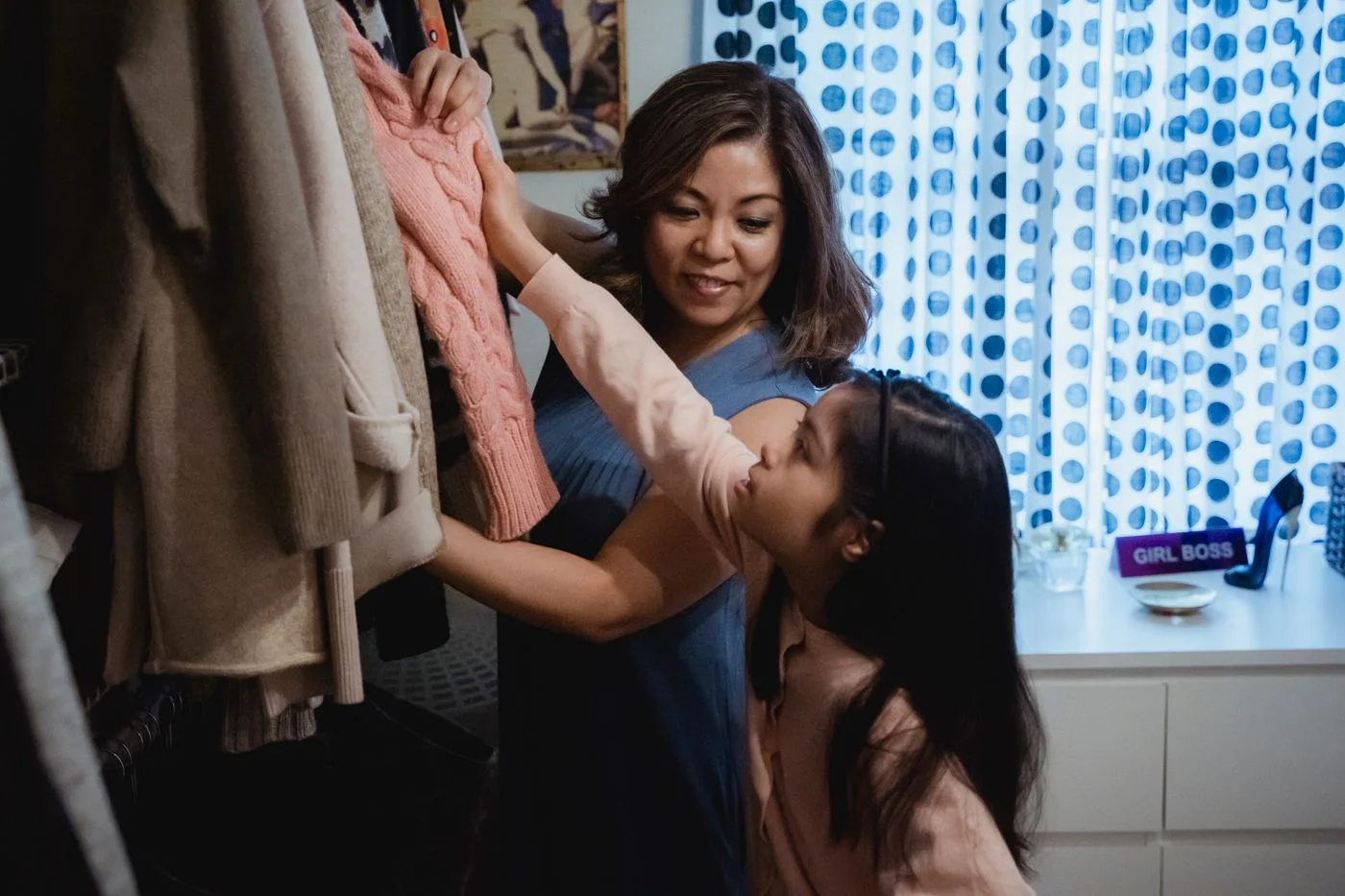
A Seasonal Closet Edit Before You Buy the Next Size
Review fit, weather needs, laundry habits, and hand-me-downs before filling gaps in the family wardrobe.
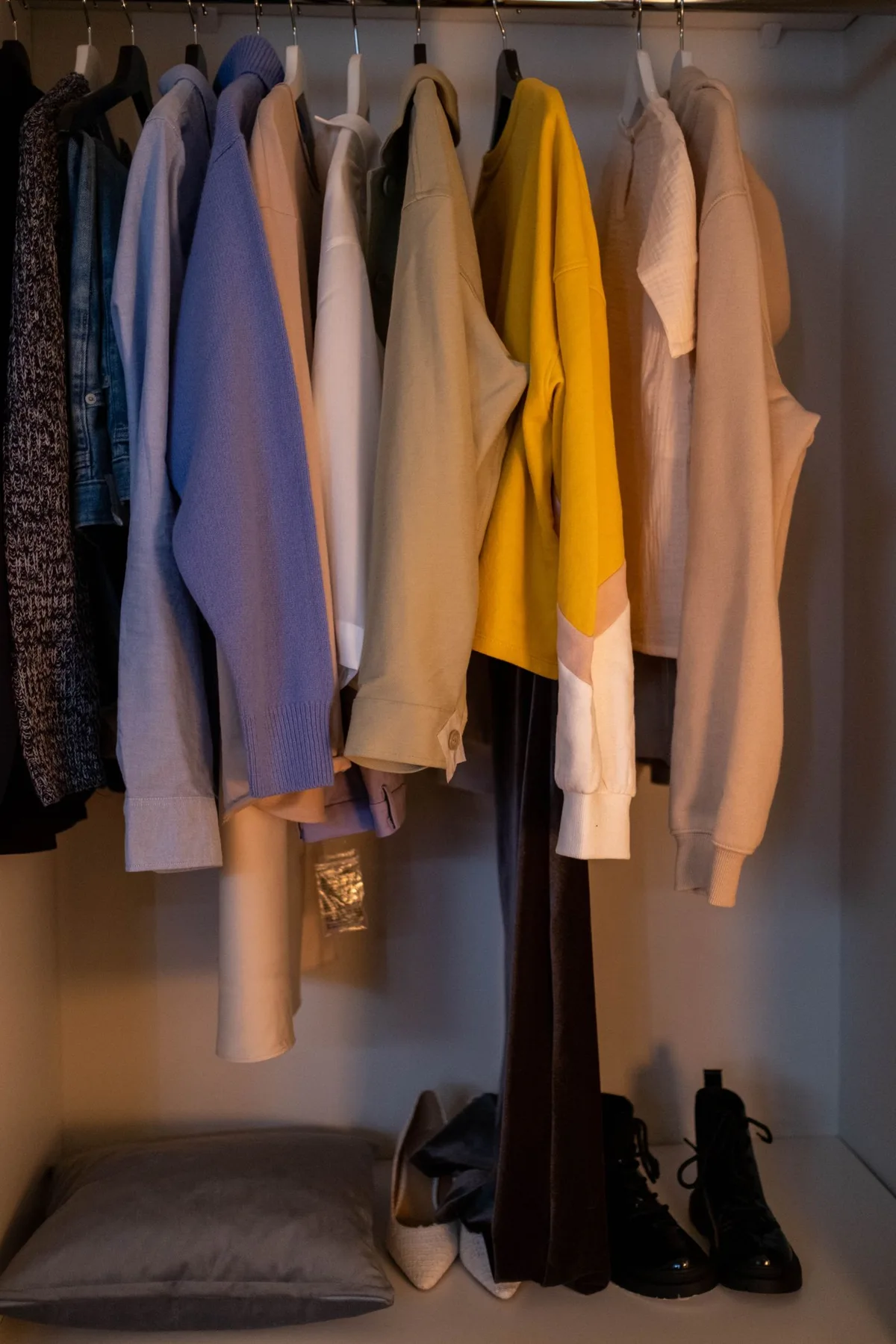
The first cool morning can make the whole wardrobe feel inadequate, even when useful clothes are folded behind last season’s favorites. A short closet edit helps distinguish a real gap from a visibility problem. Begin before shopping, with enough time to check fit and see what the household already owns.
Choose one person’s everyday clothing rather than emptying every wardrobe at once. Keep the task small enough to finish. A half-sorted room can make tomorrow morning harder, which defeats the point of organizing for the next season.
Check fit in ordinary movement
Ask the wearer to try important pieces with the layers they normally use. Sitting, bending, and reaching reveal issues that standing still does not. Check sleeve movement, waist comfort, and footwear according to appropriate fitting guidance. The size on a label cannot confirm how a particular garment fits today.
Make separate groups for ready to wear, needs attention, and no longer suitable. Keep the decisions concrete. A loose button is a repair task; a disliked neckline may be a reason to pass an item on. Avoid keeping a large pile of theoretical possibilities that nobody reaches for.
Look at the coming routine
Weather matters, but so do school requirements, activities, and work patterns. A child who now changes for sports may need a different clothing buffer. An adult who works at home more often may no longer need the same number of formal outfits. Buy around the current week rather than last year’s habits.
Review the laundry cycle before deciding quantities. Thick layers can take longer to dry than summer clothing, which affects availability. Our laundry routine guide explores care requirements that are worth considering at the point of purchase.
Use hand-me-downs deliberately
Open stored clothing before ordering replacements. Inspect condition, fastenings, elastic, and care labels. Check that the season and size line up now; stored clothing is not automatically useful simply because it was saved with good intentions. Pass along unsuitable pieces through appropriate channels once the household has made a decision.
For growing children, resist stocking too far ahead without a clear reason. Growth and preferred fit can change unpredictably, and a future-size coat may be wrong for the weather when it finally fits. A smaller, specific shopping list can reduce both wasted money and storage demands.
Give each purchase a job
Write down the gap as a use case: a washable warm layer for school, trousers for a particular dress code, or suitable footwear for the wet walk. This is more useful than simply writing sweater or shoes. It keeps browsing connected to the problem the purchase needs to solve.
Compare any new item with the clothing staying in the wardrobe. Check whether it works with existing layers and whether its care fits the household. A heavily discounted piece is not a saving if it requires several companion purchases or remains unworn because it is uncomfortable.
Finish the edit
- Return current, wearable clothing to accessible storage.
- Put repairs in a small, visible action pile.
- Label stored clothing by useful size and season information.
- Decide how and when outgoing items will leave.
- Make a short shopping list with specific purposes.
- Review the list after a normal week of getting dressed.
Common questions
Must seasonal clothing be packed away completely?
No. Local weather and available space vary. Keep transitional layers accessible if they are regularly useful, and store only what genuinely gets in the way.
What if a child wants to keep an outgrown favorite?
Separate sentimental storage from everyday clothing. A small keepsake allowance can preserve meaning without making the wardrobe difficult to use.
How often should fit be checked?
Check when clothing becomes uncomfortable or the season changes, and review growing children’s needs regularly. Let actual use guide the timing rather than waiting for a large annual overhaul.