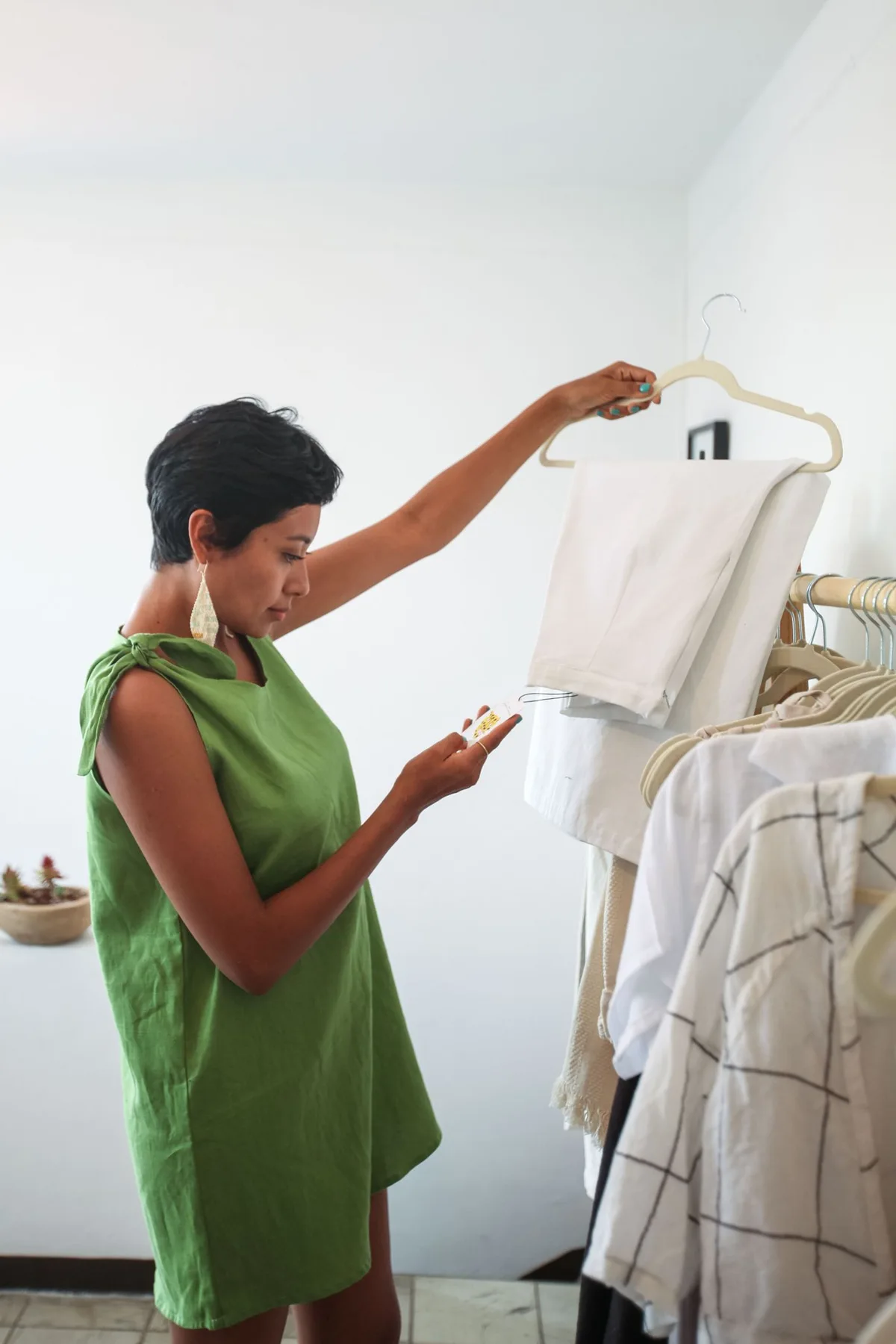
A Family Capsule Wardrobe That Leaves Room for Real Life
Build a smaller everyday wardrobe around school mornings, laundry rhythms, changing weather, and the clothes your family actually wears.
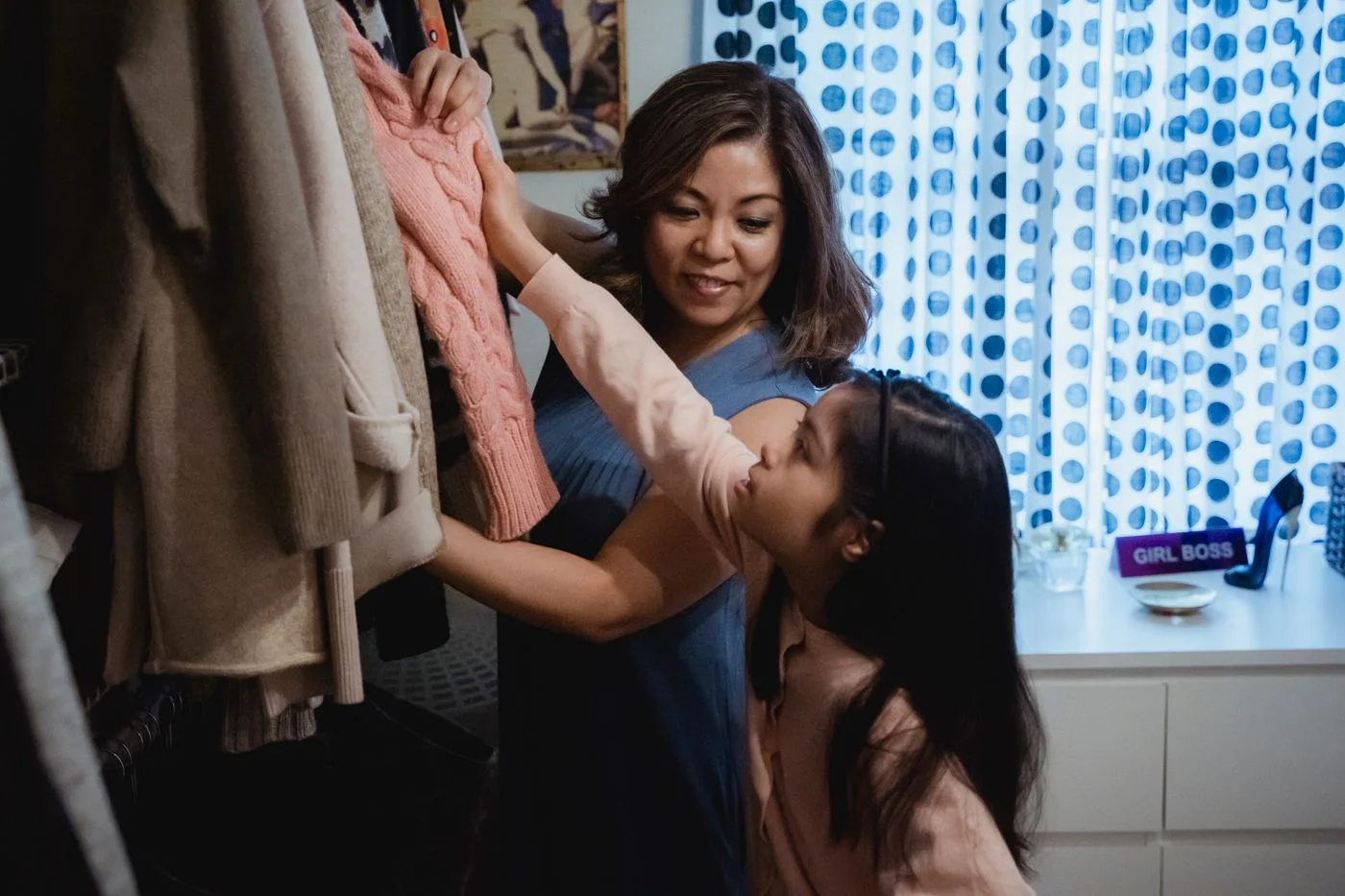
A capsule wardrobe sounds appealing until someone comes home with muddy knees, a favorite sweatshirt disappears into the laundry, and tomorrow is picture day. A useful family wardrobe anticipates those ordinary interruptions. The aim is a manageable collection with enough repeats, rather than a tiny collection that depends on perfect planning.
Start with the busiest person’s actual week. Five school days, an afternoon activity, and a relaxed weekend call for a different mix than a household that dresses up frequently. Write down those occasions before looking at new clothing. The exercise makes an extra occasion dress easier to question and a second pair of everyday trousers easier to justify.
Let laundry set the quantities
Count how many days pass between a piece being worn and becoming available again. Include drying time and the occasional delayed load. A family washing twice a week may need fewer everyday tops than one washing on Sundays. Children who regularly need a midday change need a separate margin; it should not come out of tomorrow’s outfit.
Lay out current favorites and notice their common features. Perhaps the comfortable trousers all have soft waistbands, or the frequently worn tops have no neck fastening. Buy around those preferences. A coordinating color palette helps, but a child enjoying the clothes matters more than every hanger looking beautiful together.
Choose the pieces that do more than one job
An overshirt can cover a T-shirt on a mild afternoon and sit under a winter coat. Plain leggings may work for school, play, and sleepovers. For adults, straight trousers and a washable knit can move between errands and an informal meeting. These are useful overlaps because the clothing fits the activities, not because a shopping list calls them essentials.
Keep one or two distinctive pieces if they get worn. A bright cardigan, patterned skirt, or much-loved graphic shirt can sit beside simpler basics. Restricting every purchase to neutrals can create a tidy wardrobe that nobody reaches for. The strongest capsule reflects existing habits while removing the items that repeatedly complicate dressing.
What deserves a higher budget?
Spend first on the parts that affect comfort: an everyday shoe, an outer layer that suits local weather, and trousers that fit well when sitting. Check care labels before paying more for a delicate fabric. A garment that requires a separate cleaning routine has an ongoing cost in time as well as money.
For fast-growing children, inspect secondhand options and hand-me-downs before buying new. Check seams, zippers, elastic, and any missing size information. Leave room for growth without choosing clothing so large that it restricts movement. Buying several sizes ahead can backfire when the season and the child’s growth do not line up.
A practical wardrobe checklist
- Enough everyday outfits to cover your laundry cycle, plus an interruption buffer.
- A complete spare outfit where school or childcare requires one.
- Layers that work together without tight sleeves or bulky shoulders.
- One outfit for genuinely upcoming occasions.
- A visible place for outgrown clothing awaiting donation or resale.
Questions families ask
Should every child have the same number of pieces?
No. Activity, age, spills, and personal preferences differ. Keep quantities fair to each child’s routine rather than identical. Review what remains untouched after several weeks before removing more.
Is buying matching sets easier?
Sometimes, particularly when getting dressed independently is the priority. Check whether both pieces can also work with clothes already owned. A set that only works together is less flexible when one half is in the wash.
When should the capsule change?
Review it when weather, size, or routine changes. A short seasonal closet edit usually reveals the next useful purchase more clearly than a full replacement shopping trip.