Rain Layers for School Runs and Ordinary Family Walks
Choose practical wet-weather layers by looking at coverage, closures, packing space, and the rain your family actually encounters.
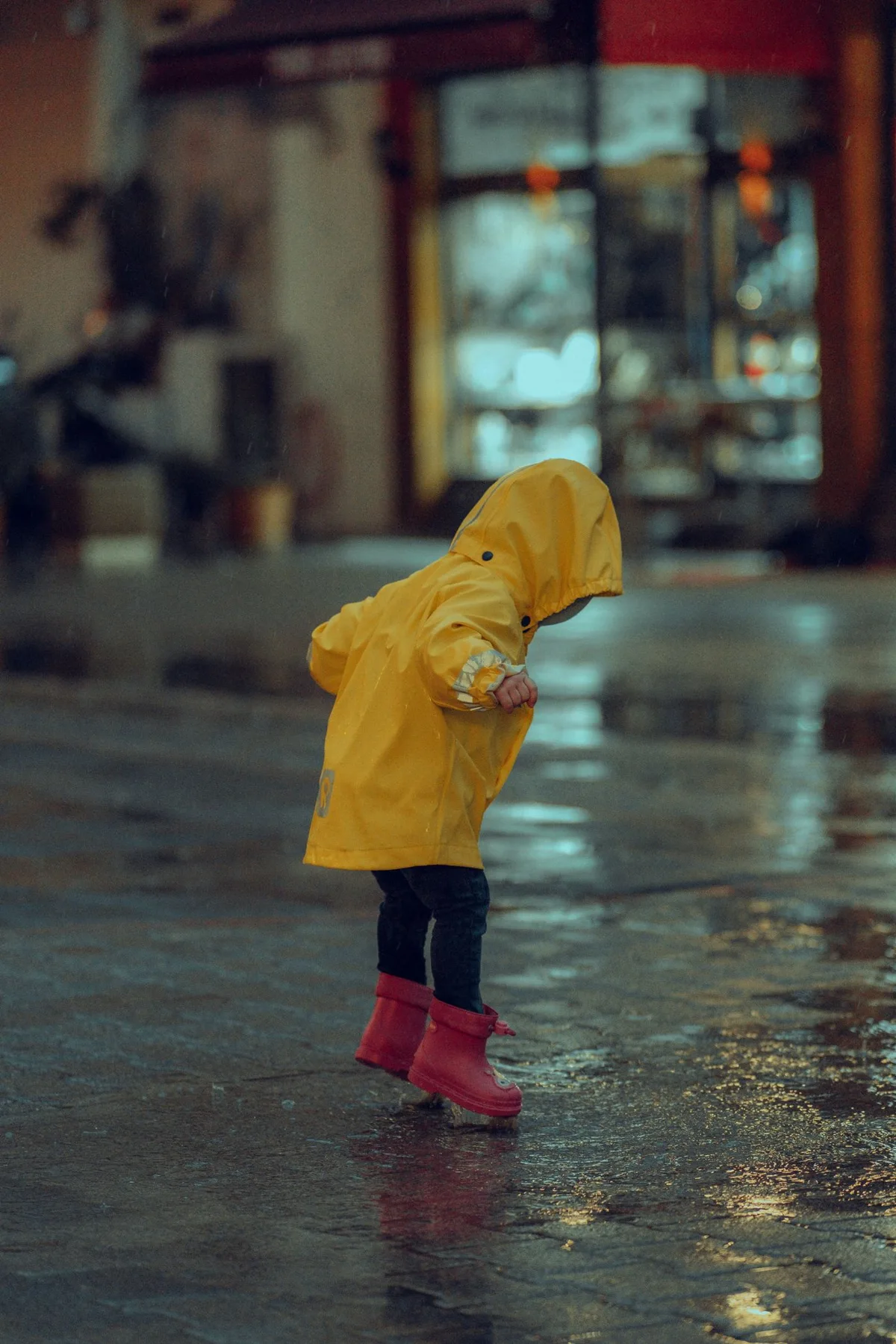
A wet school run asks different things from a jacket than an all-day hike. There may be a stroller handle to hold, a backpack under one arm, and a child who wants the hood off immediately. Begin with that scene when comparing rainwear. The most technical option can still be awkward for the daily trip it is meant to simplify.
Think about how long your family is usually outside and whether shelter is available. A short walk from the car is one scenario; waiting at an uncovered bus stop is another. Buying for an occasional extreme outing can leave everyday needs such as easy fastening and comfortable sleeves unresolved.
Understand the product language
Water-resistant and waterproof are not interchangeable descriptions. Read the actual product information for the fabric, seams, and intended conditions. A hood and a shiny finish do not establish a jacket’s weather performance. If a seller provides a rating, check what the manufacturer says it means rather than comparing numbers without context.
Breathability also matters when walking quickly or carrying bags. A very protective layer can become uncomfortable if it traps warmth during a mild shower. Look for useful ventilation and enough room for the layers your family already owns. Avoid assuming a thick lining will suit both a warm autumn day and a cold winter morning.
Try the jacket with a backpack
Have the child move their arms, bend, and put on the school bag. Check whether the hem rides up or the hood limits their view. For adults, test the movement used to push a stroller or reach for a hand. The mirror gives only part of the answer; ordinary movement reveals the rest.
Closures deserve particular attention. Small zippers may be difficult with cold hands, while a long row of snaps can slow down a hurried departure. A simple adjustment at the cuff can help keep sleeves comfortable, provided the child can use it. Reflective details can be a useful extra, but they do not replace suitable visibility and supervision on the route.
Decide where packability belongs
A lightweight shell earns its place if it regularly lives in a school bag or work tote. Check its packed size alongside lunch containers and spare clothing. A compact jacket that gets taken along may be more useful than a heavier coat that stays on the hook whenever the forecast looks uncertain.
There is a tradeoff: less substantial fabric may feel different in prolonged weather or over bulky layers. For frequent outdoor days, compare the construction and care requirements carefully. For occasional showers, an existing warm layer under an appropriate shell may reduce the need for several specialized coats.
The doorway rain checklist
- A dry outer layer for each person who is leaving.
- Shoes suitable for the actual walk and school rules.
- A place to hang wet garments with room to dry.
- A bag or compartment that separates damp clothing from paper.
- Current care instructions for washing and maintaining the garment.
Reader questions
Are rain trousers necessary for school?
They can be useful for long walks, puddle-heavy play, or outdoor programs. Check whether the child can put them on and remove them easily. For a very short trip, they may add more changing work than the routine needs.
Can a jacket be washed with normal laundry?
Follow its label. Some coatings and membranes require particular care products or methods. A familiar detergent is not automatically appropriate for every technical garment.
Where should all the wet things go?
Create a drying spot before the first storm. The entryway reset includes ideas for separating wet gear from tomorrow’s clean shoes and bags.