Pack for a Family Weekend Without Packing the Whole House
Use the trip's real activities, sleeping arrangements, and laundry options to build a smaller, more useful family packing list.
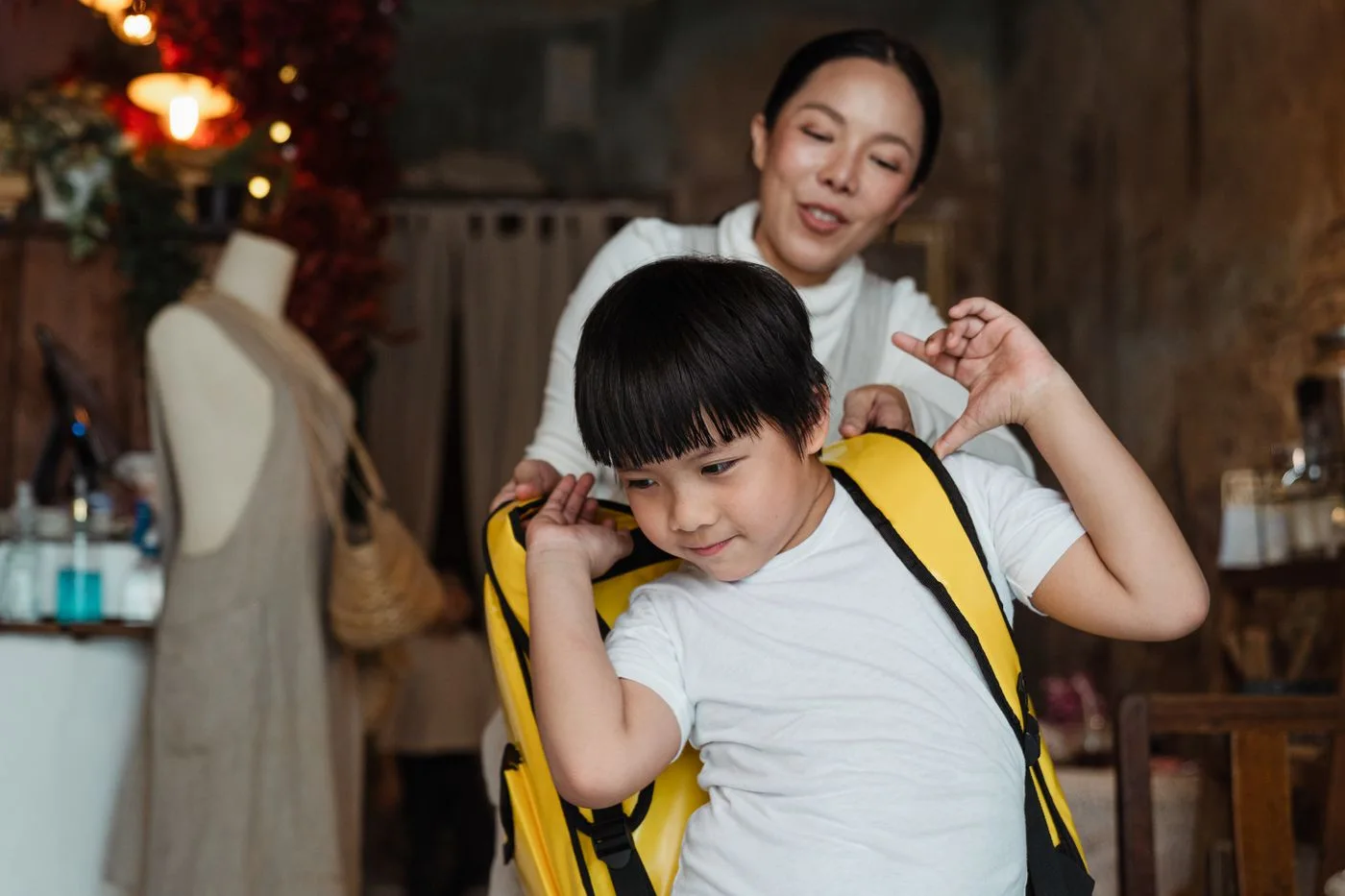
The last bag before a family weekend often contains things added because there was still room. That extra space disappears quickly once everyone is carrying bags through a station or up unfamiliar stairs. A useful packing list begins with what the trip asks of the family, rather than what the luggage can hold.
Write down the nights away, planned activities, transport, and sleeping arrangements. Check what the accommodation actually supplies. A confirmed towel, cot, or laundry facility can remove bulk, while an assumption about one can create a difficult arrival. Save relevant instructions somewhere accessible during travel.
Pack complete outfits first
Lay out clothes as combinations for the actual days, then add a realistic spare allowance. Consider spills, weather, and the chance to rewear suitable items. Several tops without compatible bottoms create volume without flexibility. For children, include the clothes they will willingly wear when tired, not unfamiliar pieces bought specifically for the trip.
Choose layers that work across activities. A familiar cardigan may serve breakfast, a train journey, and an evening walk. Check the forecast near departure, while allowing for ordinary variation. Buying a specialized garment for one possible hour outside may be less useful than adapting the plans or using an existing suitable layer.
Keep arrival essentials reachable
Separate what will be needed before the main bag is unpacked. Depending on the family, that might include a change of clothes, necessary personal items, a familiar comfort object, or food suitable for the journey. Follow relevant transport and storage requirements for anything with special handling needs.
Do not put all useful items in the bag likely to end up under several others. A small, clearly organized journey bag can reduce rummaging at every stop. Give older children a manageable role, such as keeping their book and layer together, without making them responsible for essentials they are not ready to manage.
Decide whether organizers solve a problem
Packing cubes can distinguish each person’s clothing or separate clean and worn items. They are less useful when they merely add another zipper between you and a single overnight outfit. Try reusable bags or organizers already at home before buying a full set.
When comparing luggage, consider empty weight, handles, wheel behavior, and where it will be stored afterward. A large suitcase suits some car trips but can be awkward on stairs and crowded transport. Measure against the relevant carrier’s current allowance before purchasing for a specific journey.
Leave some activities at home
A short trip rarely needs the whole toy shelf. Choose a few familiar options suitable for travel and the destination. Check small-part suitability when siblings share the space. A book, a modest drawing kit, and one favorite toy may be easier to use and return than a bag of loosely connected activities.
Keep a little room for the return journey. Worn clothing rarely folds as neatly as freshly packed outfits, and unexpected damp items need separation. Take an appropriate bag for them, then unpack promptly at home. Leaving the weekend bag closed until the next trip turns packing into a search through old leftovers.
Departure checklist
- Confirm accommodation supplies and transport limits.
- Pack outfits against actual activities and weather.
- Keep essential journey items accessible.
- Check chargers and necessary documents.
- Separate worn or damp items on the return.
- Leave a small margin for imperfect repacking.
Common questions
Should every child have a suitcase?
Only if it helps with transport and responsibility. One shared bag may be simpler for a short car trip; individual bags can help older children manage their own things.
Is there a universal outfit count?
No. Laundry access, age, and activities change the answer. The capsule wardrobe guide helps think through practical buffers.
What can be removed first?
Look at duplicated shoes and equipment for unconfirmed plans. Keep what the trip needs, then choose optional extras deliberately.