Before Buying a Washable Rug, Measure More Than the Room
Check machine capacity, drying needs, backing, furniture clearance, and return terms before choosing a family-room rug.
Washable sounds like a complete solution to family-room spills. It is a useful feature, but only when the rug’s washing and drying instructions fit the household. A large rug that exceeds the available machine’s capacity may still require a trip elsewhere, and furniture has to move before the rug can leave the floor.
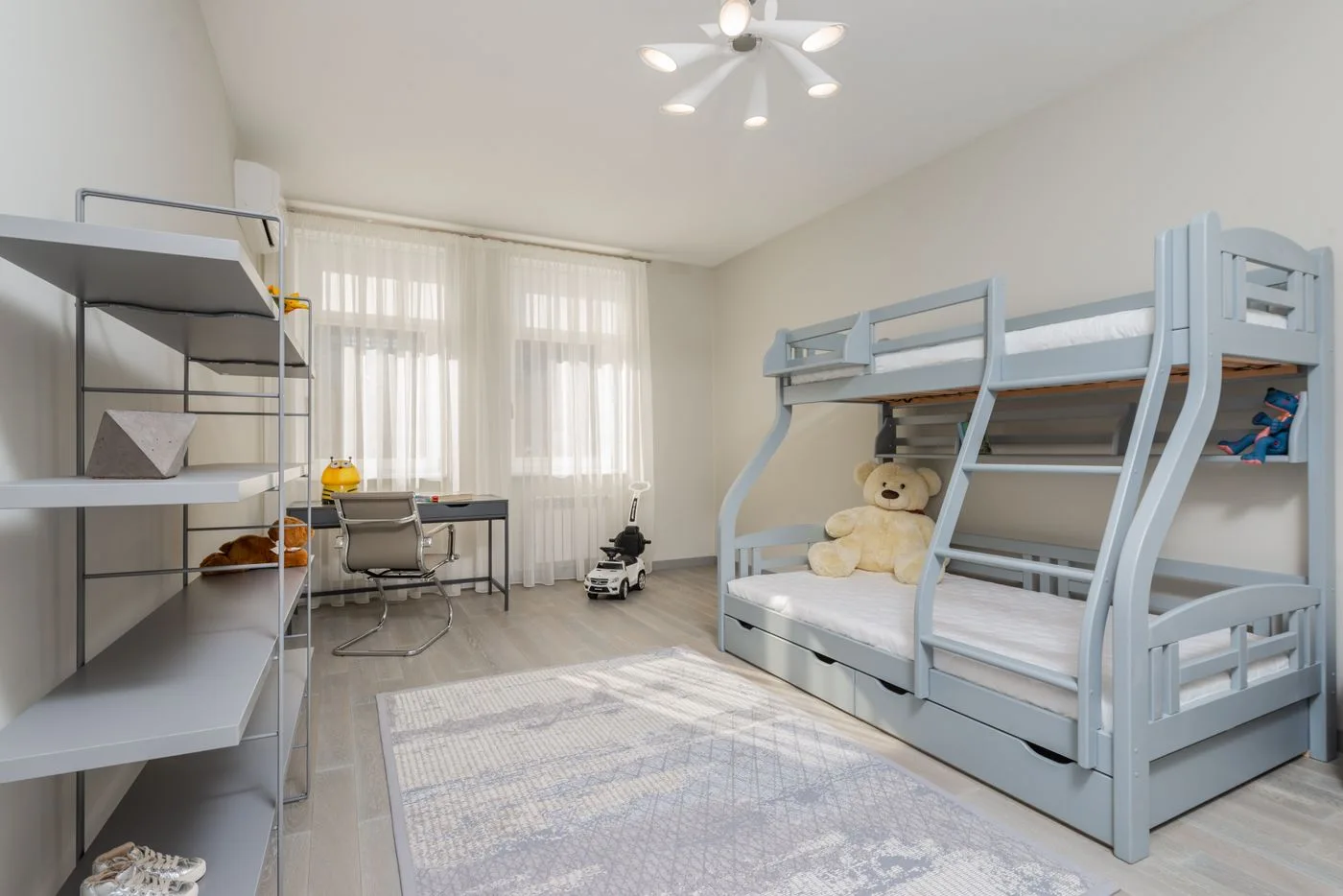
Start with the room’s daily use. Is this a soft place for floor play, a dining area where crumbs collect, or the route from a garden door? Those uses call for different priorities. Texture, pile height, and ease of routine cleaning matter between washes, which is when the rug will spend most of its time.
Check the practical meaning of washable
Read the product’s full care instructions for the exact size you want. Some systems use a removable top layer; others involve washing the whole rug. Confirm the required machine capacity and permitted drying method. Do not assume a smaller product photograph represents the care needs of the largest size.
Measure the space where a damp rug would dry if air drying is required. A balcony rail or small rack may not accommodate a broad, heavy textile. If using a dryer is permitted, compare the manufacturer’s guidance with your appliance instructions. The convenience claim should survive the whole cleaning process, not just the washing stage.
Think about edges and movement
A rug needs to sit well in its actual location. Check the pile and backing against door clearance, rolling furniture, and the flooring manufacturer’s guidance. Look into the rug maker’s recommended pad or underlay. Follow those recommendations rather than assuming every non-slip backing suits every finished floor.
Examine how furniture will hold the rug in place. A lightweight option can be easy to lift but may shift in a busy room if it is not installed appropriately. A thicker rug may feel more substantial while being harder to move for washing. Choose the inconvenience your household can manage.
Color is a maintenance decision too
A patterned rug may make ordinary marks less visually prominent than a very pale solid color. That is a design consideration, not a promise that dirt disappears or cleaning becomes unnecessary. Think about the room’s light and existing textiles; a sample can be useful where available.
Avoid choosing a delicate-looking surface simply because washable appears in the title. Check product details for permitted use, any restrictions, and how the texture is expected to change with care. If the rug is central to a seating arrangement, read return terms before ordering a large size that may be difficult to repack.
Compare the total effort
Include the cost of any required pad, delivery, and returns in the budget. Consider whether a smaller rug in the busiest zone would solve the problem with less washing effort. Alternatively, an existing easy-clean surface may be sufficient beneath a craft table, leaving a comfortable rug for the quieter seating area.
Plan daily cleanup separately. Follow the maker’s guidance for vacuuming and spot treatment. Store cleaning products securely and avoid untested mixtures. A rug that can occasionally be washed still benefits from prompt, appropriate attention to spills.
Shopping checklist
- Exact dimensions and door clearance.
- Care instructions for that specific size.
- Compatible washer capacity and drying method.
- Suitable backing or pad for the floor.
- Space and effort needed to move furniture.
- Delivery, pad, and return costs.
Common questions
Is a two-piece system easier?
It may reduce what goes into the machine, but reassembly is another step. Check how the layers align and whether one person can manage the chosen size.
Can a rug solve an uncomfortable play space?
It can improve the feel of a room, but assess the whole layout and age suitability of its furnishings. Our reading corner guide offers another way to make shared spaces more comfortable.
Should every family room have a rug?
No. Choose one because it supports the room’s use, rather than because the room looks unfinished without a purchase.